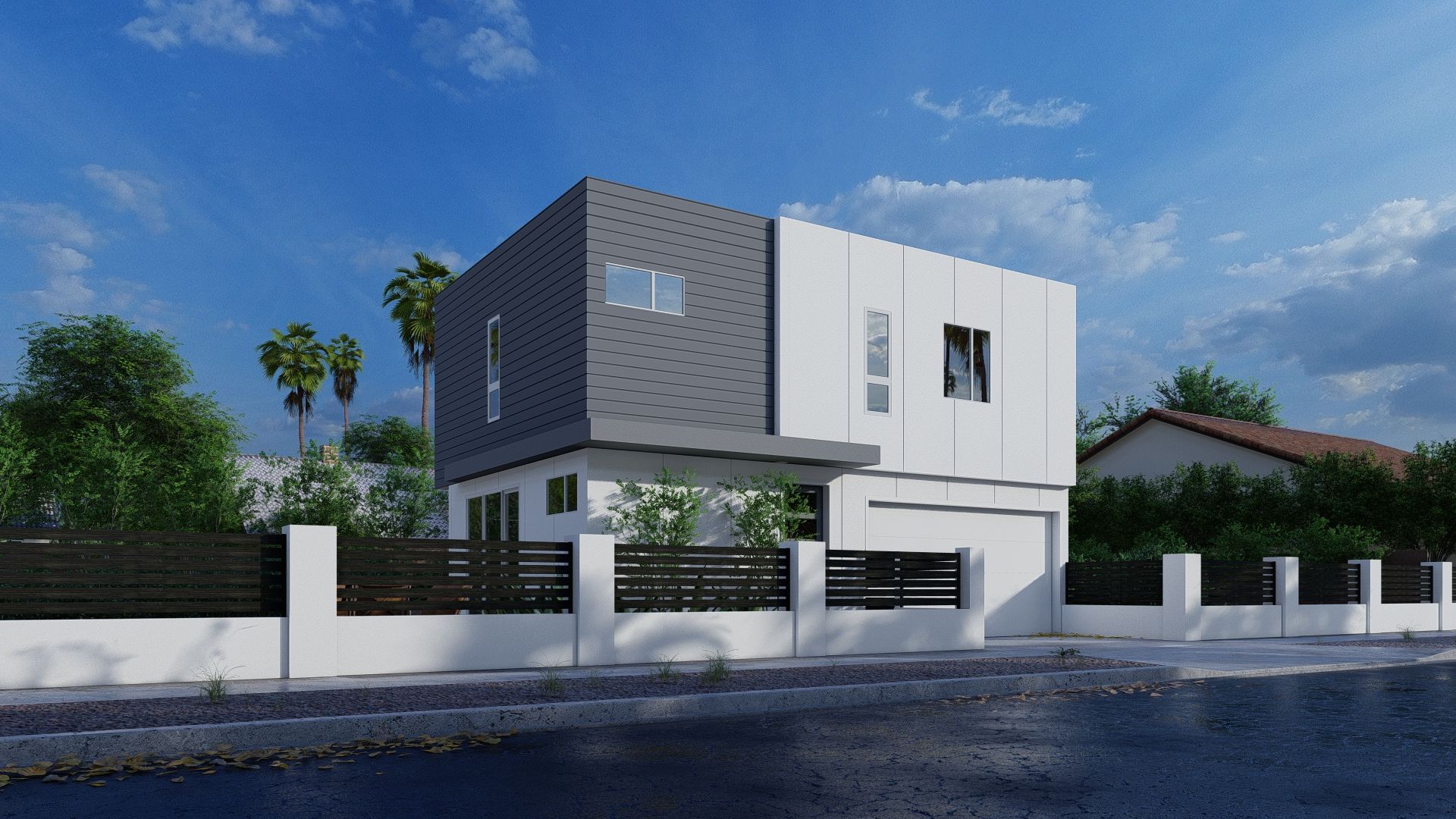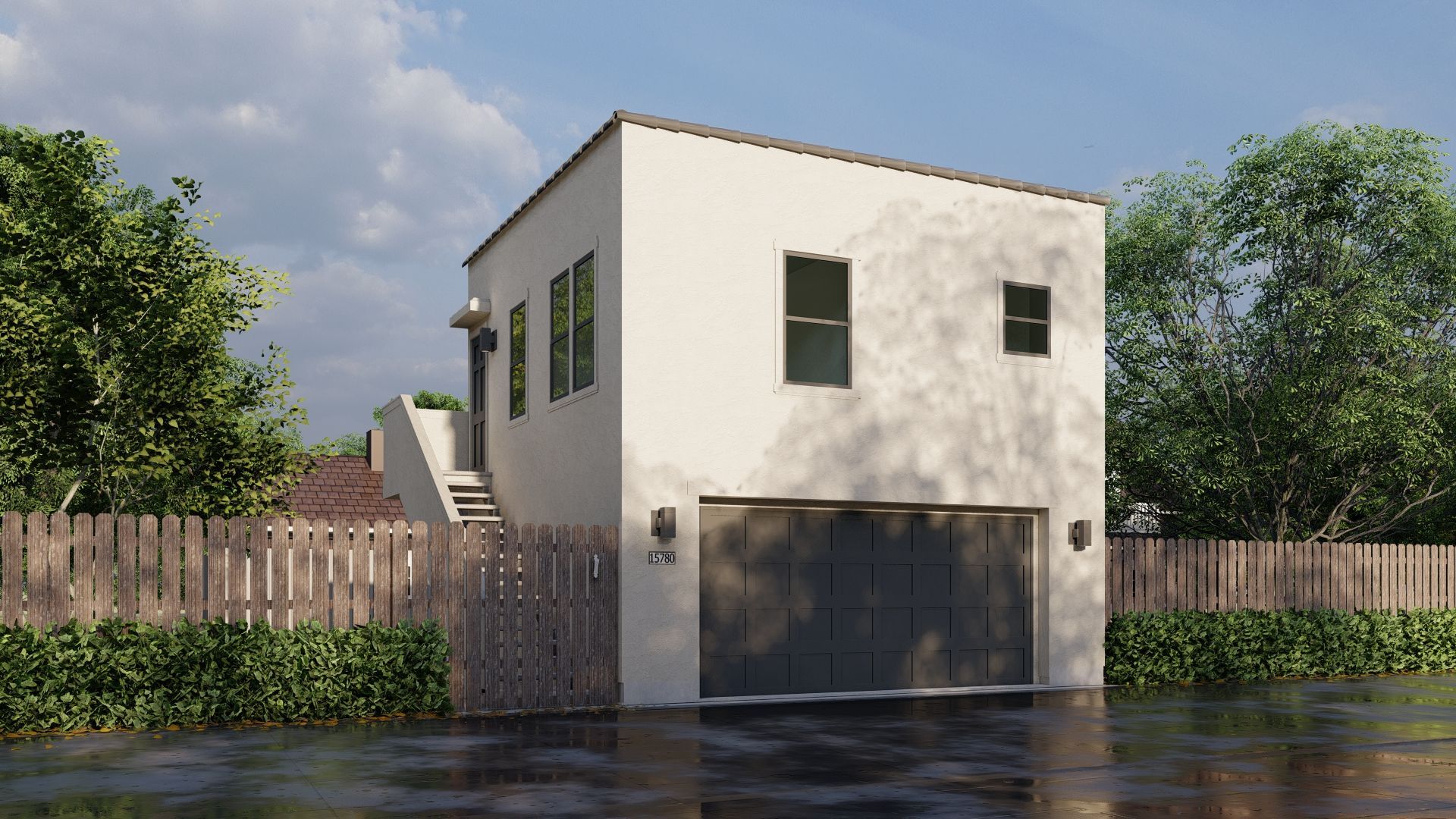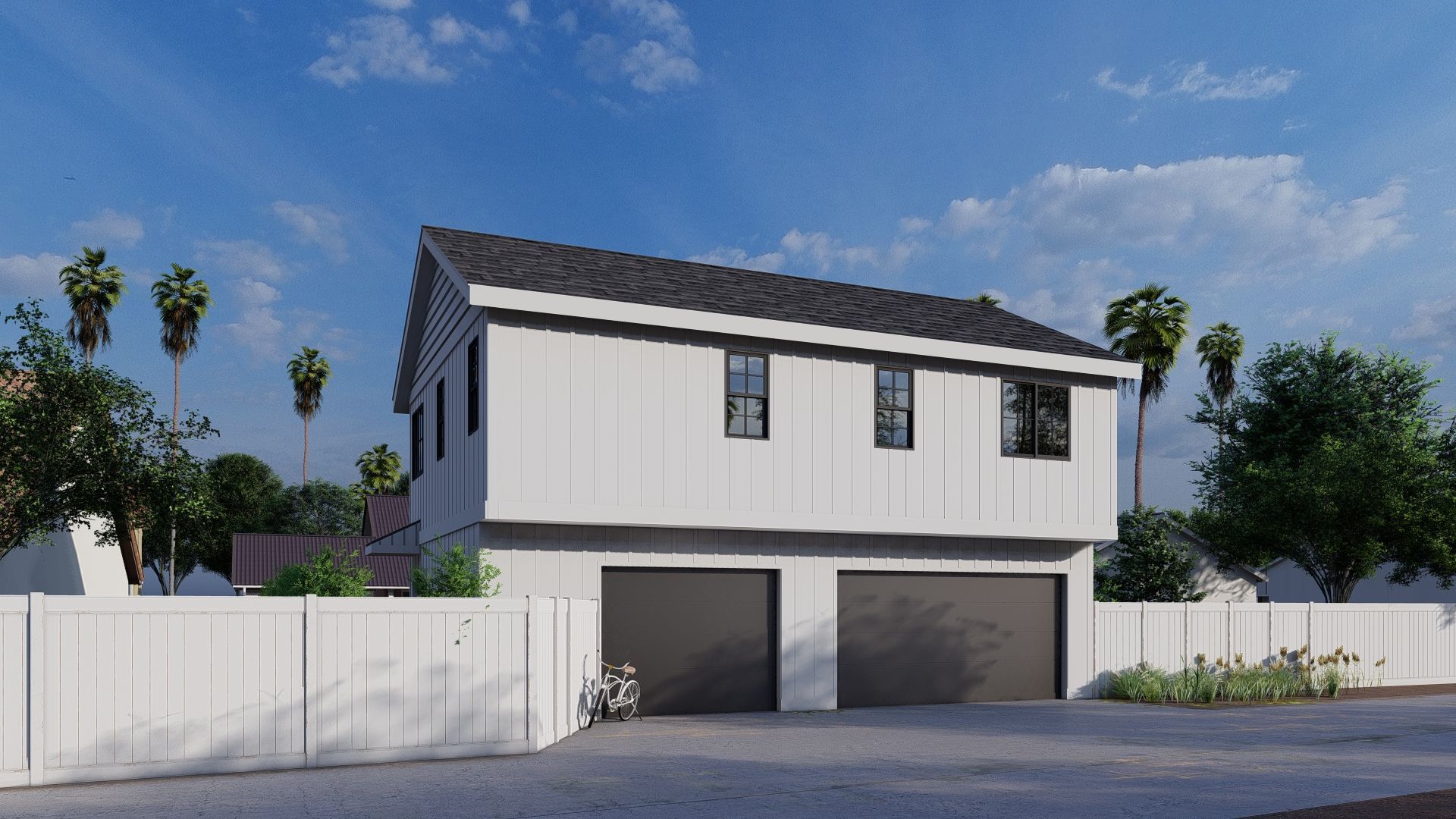
Considering a Multi-Family ADU?
Adding one or two ADUs to your multi-family property can be a profitable investment.
Contact us below to learn more.
Multi-Family ADU
ADUs for Multi-family Properties
California ADU laws allow several types of accessory dwelling units to be built on any multi-family property. The two types of ADUs that can be built on a multi-family property are detached ADUs and conversion ADUs. A detached ADU is a free-standing building separate from the main multi-family building. A conversion ADU transforms existing non-livable space in the main multi-family building, or accessory structures, into an ADU (typical conversion areas include storage rooms, recreation rooms, or garages/carports).
Why Add ADUs to a Multi-family Property?
Property owners tend to think of accessory dwelling units as an option for single-family homeowners to create an additional unit on their property. While this is the most common application for ADUs, it’s not the only one—ADUs can be added to multi-family properties too. Additional viable options include building onto duplexes and new construction homes. Adding detached ADUs, or converting an underutilized garage or storage area into an ADU, increases the overall property value and provides additional rental income. It can be a great way to maximize a property’s rental potential.
How Many ADUs Can I Build?
The number of ADUs allowed on any multi-family property depends on what currently exists on the property. Typically, 2 detached ADUs are allowed on a property with a multi-family building. The number of conversion ADUs allowed depends on how many units are already on the property. At least one conversion ADU is always allowed, with the maximum number of allowed conversion ADUs at 25% of the number of pre-existing units on the property.
Are There Special Regulations for Multi-family ADUs?
Detached ADUs on a multi-family property may be limited to a maximum height of 16 feet, but in some cities, the height can be up to 25 feet (which allows for a two-story building). The minimum setbacks are 4 feet at the rear yard and 4 feet at the side yards. The ADU's maximum size can vary by city, but owners are allowed to build an ADU with a minimum of 800 sf. Conversion ADUs within the main building on a multi-family lot are treated as part of said building and have the same requirements. For example, if the main building has fire sprinklers, and the ADU is created within the building, it will also require fire sprinklers.
Does parking need to be replaced or provided?
Builders are not required to replace previously available parking when converting carports or garages into ADUs. Furthermore, new detached ADUs are not required to provide on-site parking if the property is within one-half mile of public transportation, including bus stops.
Conclusion
Adding ADUs to your multi-family property can be a great way to maximize rental income and add significant value to your property. Looking at it another way, ADUs are a smart “investment” in your existing property since the investment return on the costs can be very attractive. If you’re interested in adding one or more ADUs to your multi-family property, contact us to schedule your free property analysis to determine what's possible on your property.
Provides additional
rental income
Adds signifcant value
Maximize underutilized land
Options to build over a garage